
Hip REPLACEMENT

Advanced Hip Replacement Surgery

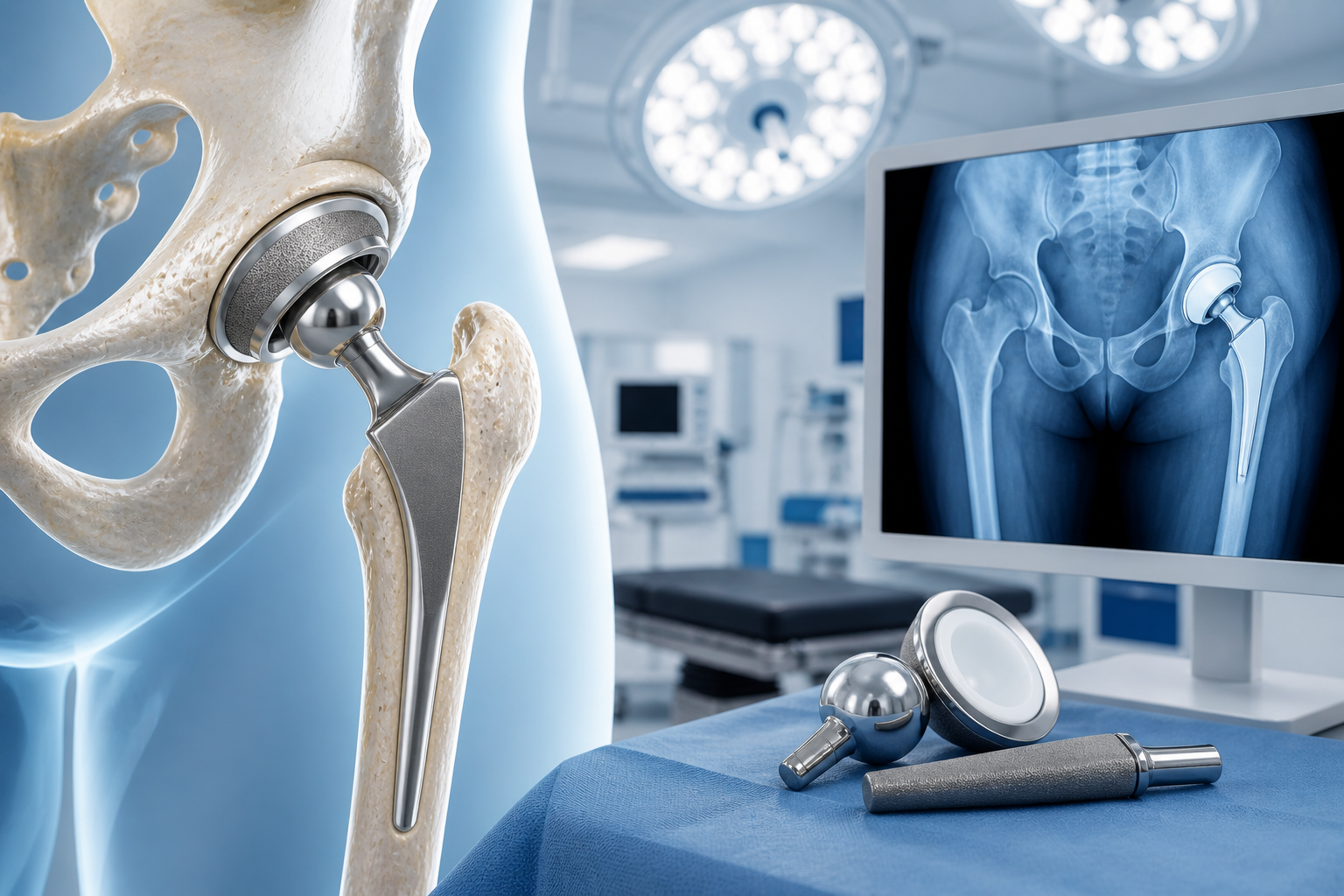
Hip replacement surgery is a highly effective solution for individuals suffering from long-term hip pain, stiffness, and difficulty in movement caused by conditions such as osteoarthritis, rheumatoid arthritis, avascular necrosis, or injury. When the hip joint becomes severely damaged, even simple daily activities like walking, sitting, or standing can become painful and challenging. This procedure involves replacing the worn-out or damaged parts of the hip joint with a high-quality artificial implant designed to mimic natural joint movement. With the use of advanced surgical techniques, precise imaging, and minimally invasive approaches, surgeons ensure better accuracy, reduced blood loss, and minimal damage to surrounding tissues. The result is improved joint function, reduced pain, and a significant improvement in overall quality of life, allowing patients to move more freely and comfortably.
Faster Recovery & Better Movement

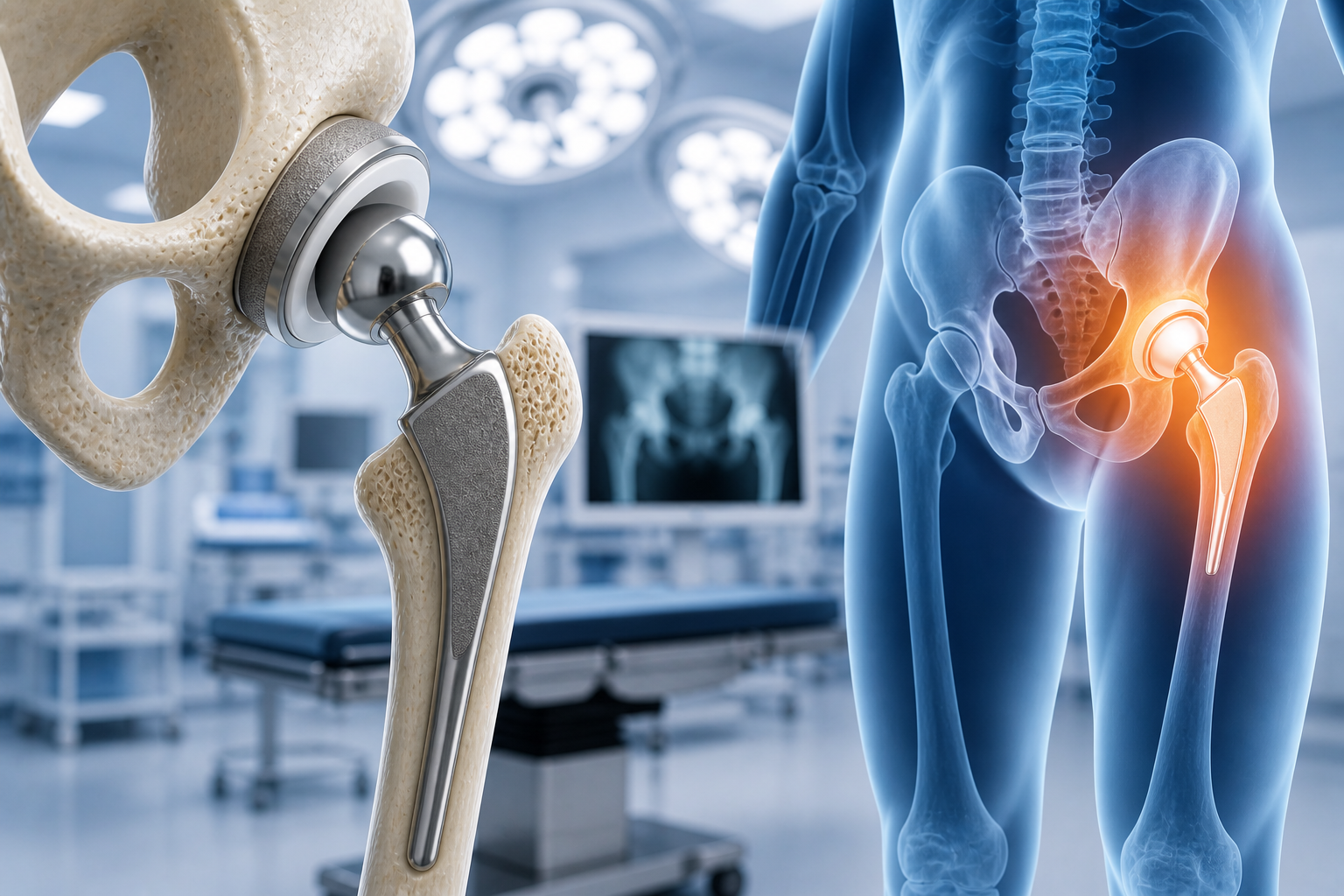
Recovery after hip replacement has improved significantly with modern medical advancements and structured rehabilitation programs. Most patients are encouraged to start moving and walking with support within a short time after surgery, which helps speed up healing and prevent complications. A personalized physiotherapy plan plays a crucial role in strengthening muscles around the hip, improving flexibility, and restoring balance. Over time, patients notice a significant reduction in pain and stiffness, along with improved ability to perform everyday tasks such as walking, climbing stairs, sitting, and even light physical activities. Consistent follow-up care, proper exercise, and lifestyle adjustments help ensure long-term success of the surgery. Hip replacement not only provides lasting pain relief but also helps patients regain independence and enjoy a more active, comfortable, and confident life.

Advanced Hip Replacement Surgery

Hip replacement surgery is a highly effective solution for individuals suffering from long-term hip pain, stiffness, and difficulty in movement caused by conditions such as osteoarthritis, rheumatoid arthritis, avascular necrosis, or injury. When the hip joint becomes severely damaged, even simple daily activities like walking, sitting, or standing can become painful and challenging. This procedure involves replacing the worn-out or damaged parts of the hip joint with a high-quality artificial implant designed to mimic natural joint movement. With the use of advanced surgical techniques, precise imaging, and minimally invasive approaches, surgeons ensure better accuracy, reduced blood loss, and minimal damage to surrounding tissues. The result is improved joint function, reduced pain, and a significant improvement in overall quality of life, allowing patients to move more freely and comfortably.

Faster Recovery & Better Movement

Recovery after hip replacement has improved significantly with modern medical advancements and structured rehabilitation programs. Most patients are encouraged to start moving and walking with support within a short time after surgery, which helps speed up healing and prevent complications. A personalized physiotherapy plan plays a crucial role in strengthening muscles around the hip, improving flexibility, and restoring balance. Over time, patients notice a significant reduction in pain and stiffness, along with improved ability to perform everyday tasks such as walking, climbing stairs, sitting, and even light physical activities. Consistent follow-up care, proper exercise, and lifestyle adjustments help ensure long-term success of the surgery. Hip replacement not only provides lasting pain relief but also helps patients regain independence and enjoy a more active, comfortable, and confident life.

Symptoms of Hip Problems

Hip pain is often accompanied by symptoms like:

  1. Pain in the hip, groin, or thigh area
  2. Stiffness and reduced hip movement
  3. Difficulty walking or standing for long periods
  4. Limping while walking
  5. Pain while sitting or getting up
  6. Swelling and tenderness near the joint
  7. Clicking or grinding sensation in the hip
  8. Difficulty climbing stairs
  9. Weakness in the leg or hip
  10. Pain that worsens with activity

Causes of Hip Problems

Hip pain can result due to any of the following reasons:

  1. Osteoarthritis
  2. Hip fractures or trauma
  3. Rheumatoid arthritis
  4. Sports injuries
  5. Cartilage damage
  6. Age-related joint degeneration
  7. Obesity and excess pressure on joints
  8. Hip dislocation
  9. Bone infection or inflammation
  10. Lack of physical activity and poor posture
×

Book Orthopedic Consultation

Consult Dr. Vikas P Birla

Schedule Your Appointment Now!