FRACTURE TREATMENT
Advanced Fracture Treatment & Care
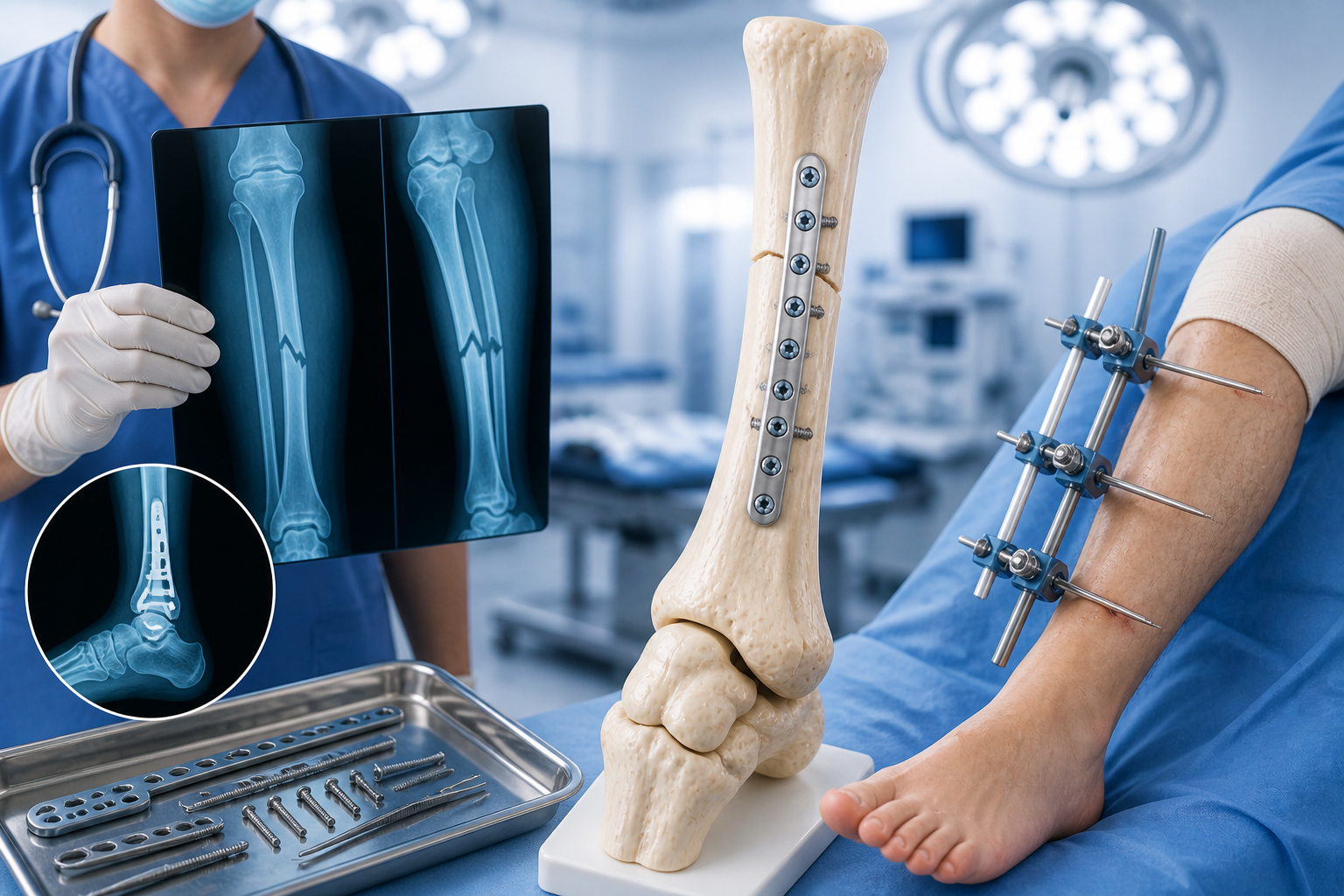
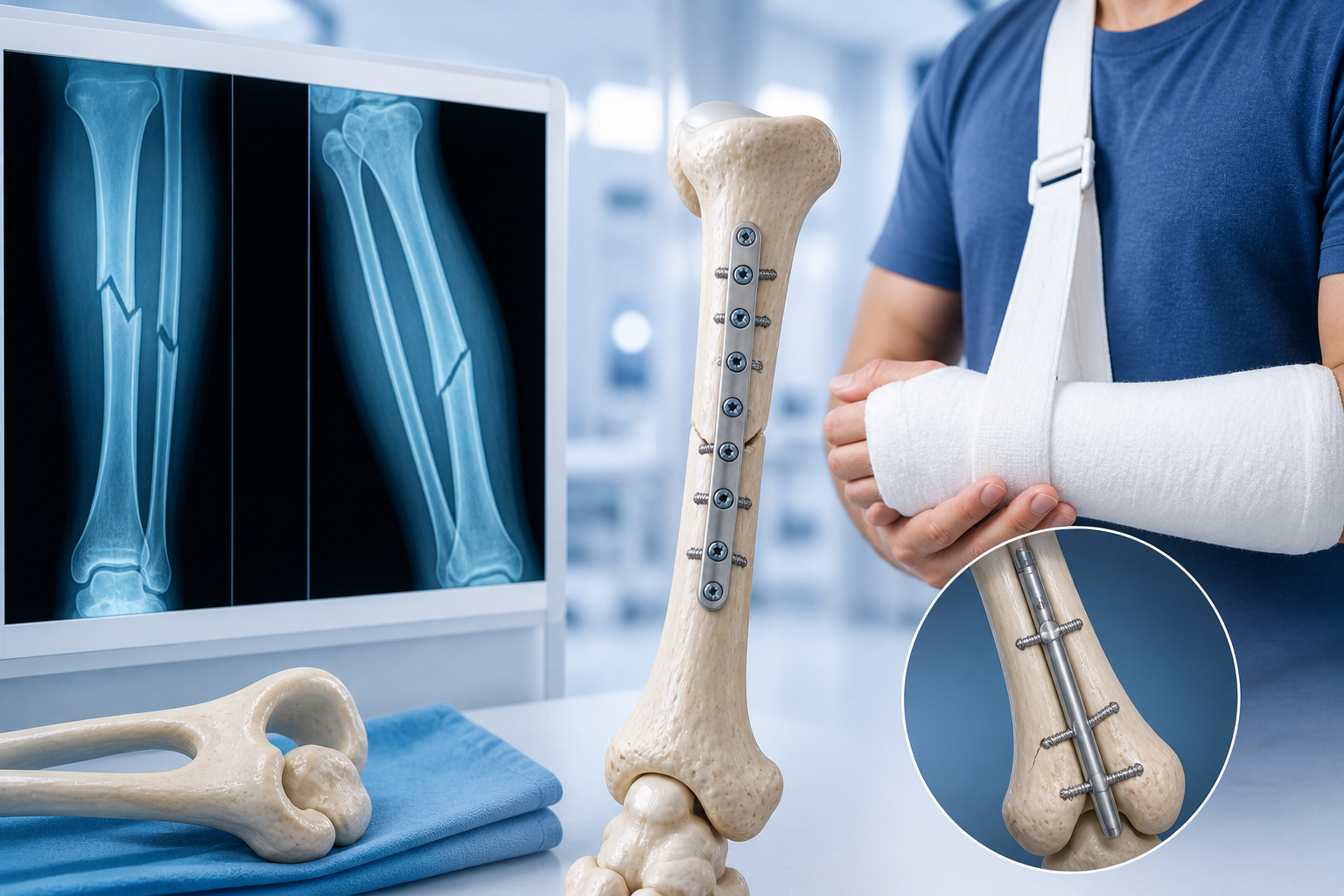
Fracture treatment focuses on properly aligning and stabilizing broken bones to ensure correct healing and restore normal function. Fractures can occur due to accidents, falls, sports injuries, or conditions like osteoporosis. Patients looking for sports injury treatment in Sarita Vihar can consult an experienced orthopedic specialist for proper diagnosis and treatment.
Depending on the severity and type of fracture, treatment may include casting, splinting, or surgical procedures such as internal fixation using plates, screws, or rods. With modern diagnostic tools and advanced treatment techniques, doctors can accurately assess the injury and provide effective care. The main goal is to reduce pain, promote healing, restore mobility, and help patients return to their normal activities.
Faster Healing & Safe Recovery
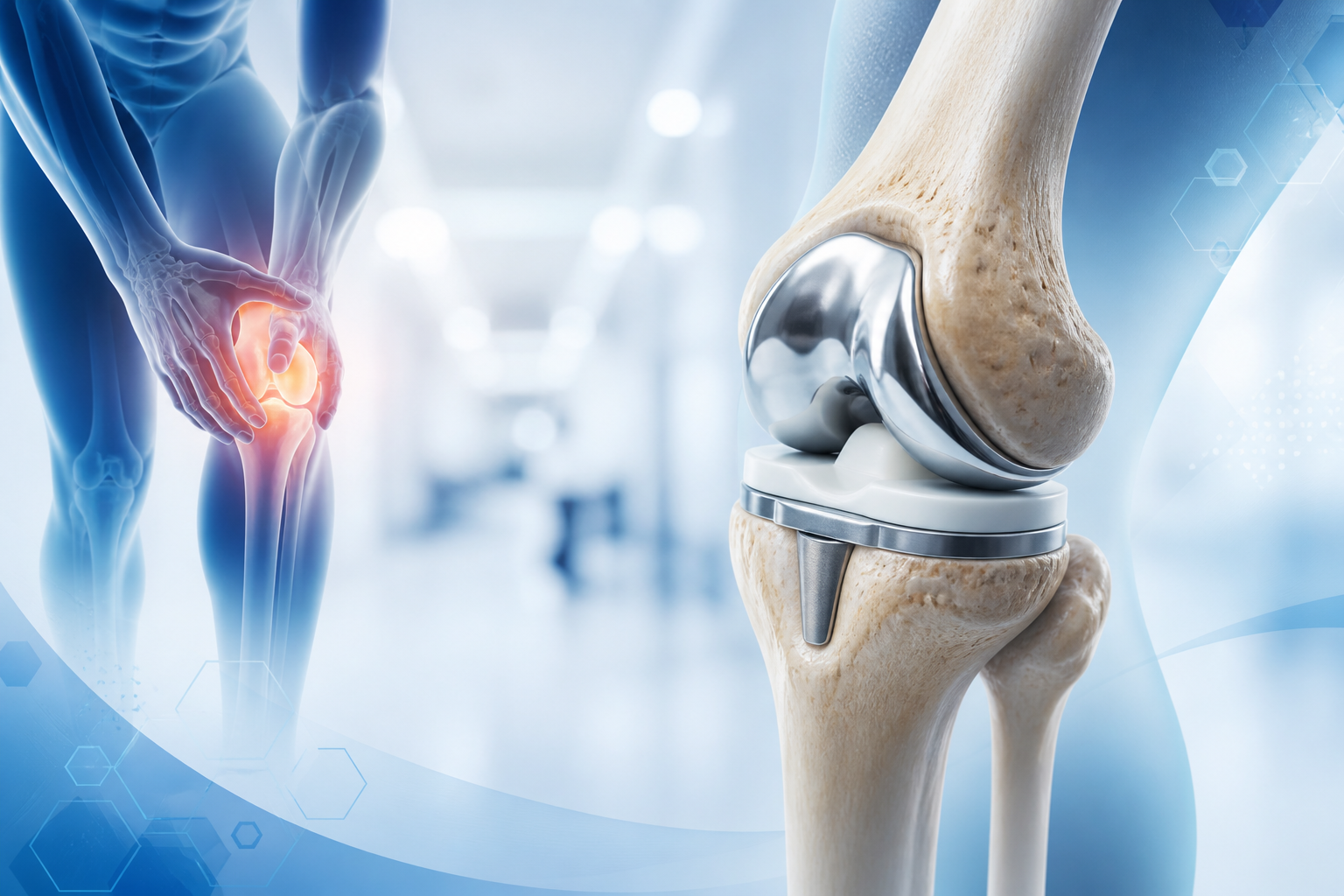
Advanced Knee Replacement Treatment
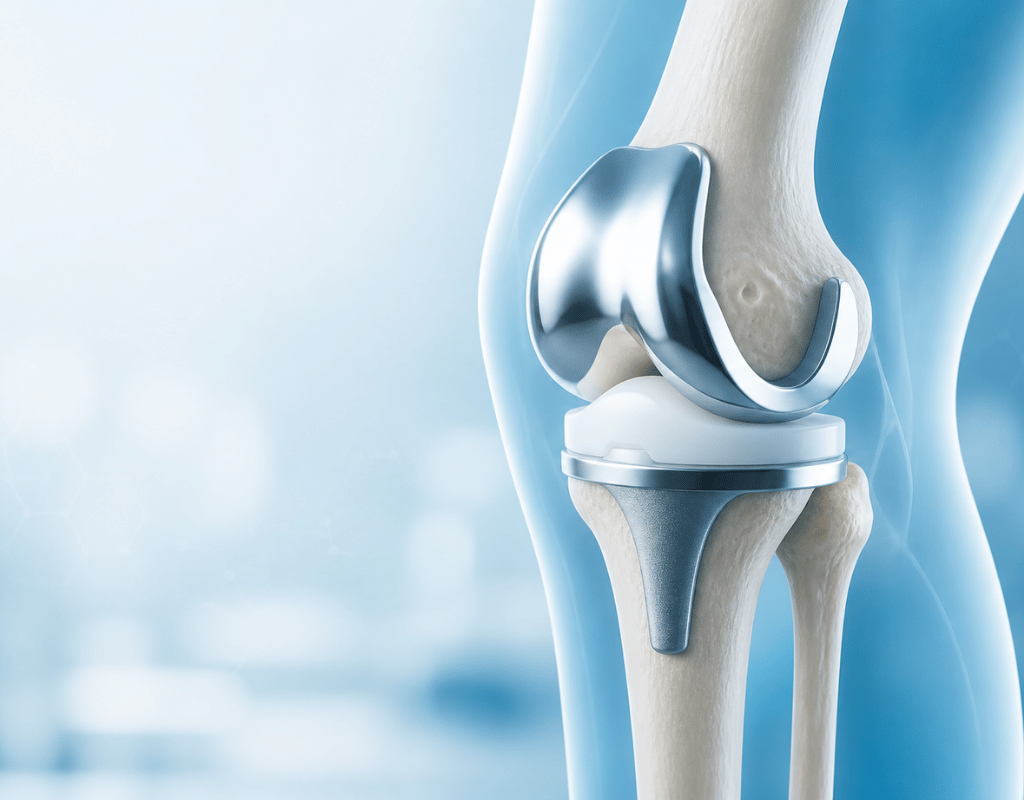
Knee replacement surgery is a highly effective solution for patients suffering from severe knee pain, stiffness, and limited mobility caused by conditions like osteoarthritis, rheumatoid arthritis, or injury.
This procedure involves replacing the damaged knee joint with a high-quality artificial implant designed to restore smooth movement and reduce discomfort.
With the use of modern surgical techniques, advanced equipment, and precise planning, the treatment ensures better alignment, minimal tissue damage, and long-lasting results. The goal is not just pain relief, but also to help patients regain confidence in their daily activities and improve their overall quality of life.
Faster Recovery & Improved Mobility
Symptoms of Fractures
- Severe pain at the injured area
- Swelling and bruising
- Difficulty moving the affected body part
- Visible deformity or abnormal shape
- Tenderness near the bone
- Numbness or weakness around the injury
- Inability to bear weight on the affected area
- Cracking sound at the time of injury
- Redness and inflammation
- Limited movement and stiffness